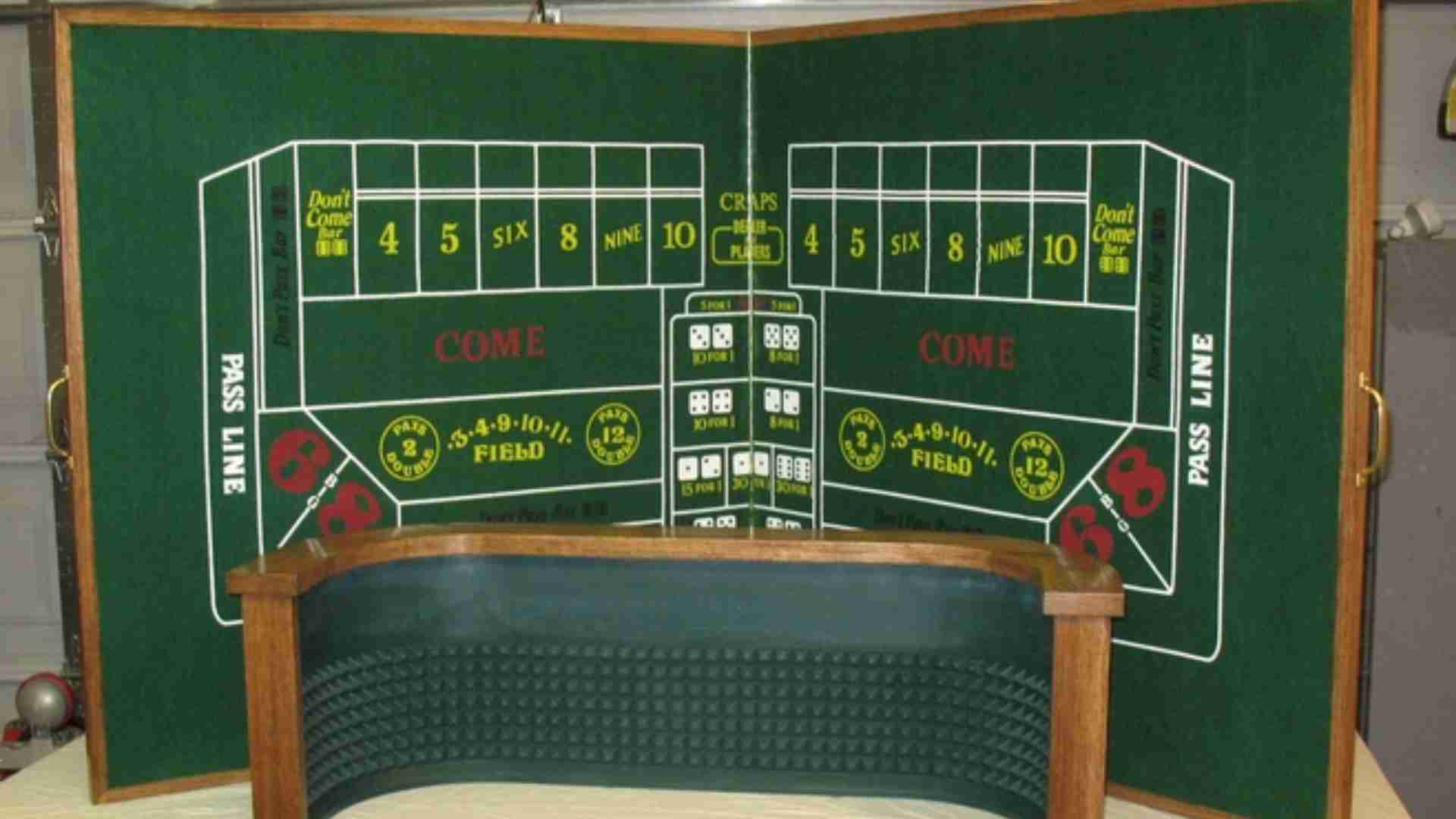
Tabletop gaming has long been celebrated as a powerful tool for developing cognitive skills and enhancing mental agility. Engaging with complex systems forces players to analyze variables, anticipate opponent behaviors, and execute precise plans. Certain table games stand out because they demand a high level of calculated precision, helping players turn random choices into structured formulas for success.
The Calculations of Modern Chess
Chess has stood as the ultimate test of intellectual foresight and tactical calculation for over a millennium. Every single move requires players to visualize multiple branches of potential responses while maintaining a strict defense. This constant mental exercises significantly improves spatial reasoning and helps individuals calculate risks more effectively in real-world scenarios.
Furthermore, chess leaves absolutely no room for luck or random outcomes, meaning every success or failure is a direct result of your decisions. By analyzing past games, players can systematically identify flaws in their logic and refine their overall planning processes over time.
Tactical Planning in Card Games
Popular card games offer an excellent arena for sharpening mathematical decision-making under conditions of incomplete information. Unlike games of pure chance, these strategic options require players to calculate changing probabilities as cards are dealt. Understanding the changing odds allows participants to make highly calculated moves rather than relying on simple guesswork.
Many players find that mastering these mathematical foundations is the key to minimizing the natural house advantage. For those looking to practice their decision-making skills in a secure digital environment, using a reliable M88.com login provides access to a wide variety of strategic card tables. Developing a disciplined approach to betting limits and statistical probability is essential for consistent long-term success.
Resource Management in Board Games
Modern strategy board games have introduced intricate mechanics that revolve around resource allocation and spatial control. Players must balance immediate needs with long-term goals, deciding when to hoard assets and when to invest them for future gains. This dynamic environment closely mimics corporate decision-making and project management, teaching valuable skills that extend far beyond the gaming table.
These games also teach the importance of flexibility, as opponents will constantly disrupt your primary objectives. Learning to pivot your strategy smoothly without losing sight of the ultimate goal is a vital component of strategic accuracy.